DKFZ identifies key factor for radiation damage to the skin
Researchers at the German Cancer Research Center (DKFZ) in Heidelberg and the Ludwig Maximilian University of Munich have discovered a central molecular trigger for chronic skin damage after radiation therapy. The protein Dickkopf-3 (DKK3) plays a crucial role in the development of fibrotic changes and could be a promising target for preventive or therapeutic approaches.
Radiotherapy is part of the treatment for more than half of all cancer patients. In addition to targeted tumor destruction, however, it can damage healthy tissue, especially the skin. Acute reactions such as inflammation and pain often turn into chronic fibrosis – a pathological proliferation of scar-like connective tissue that causes pain, restricted movement and a significant impairment of quality of life. The molecular mechanisms of this side effect were previously poorly understood.
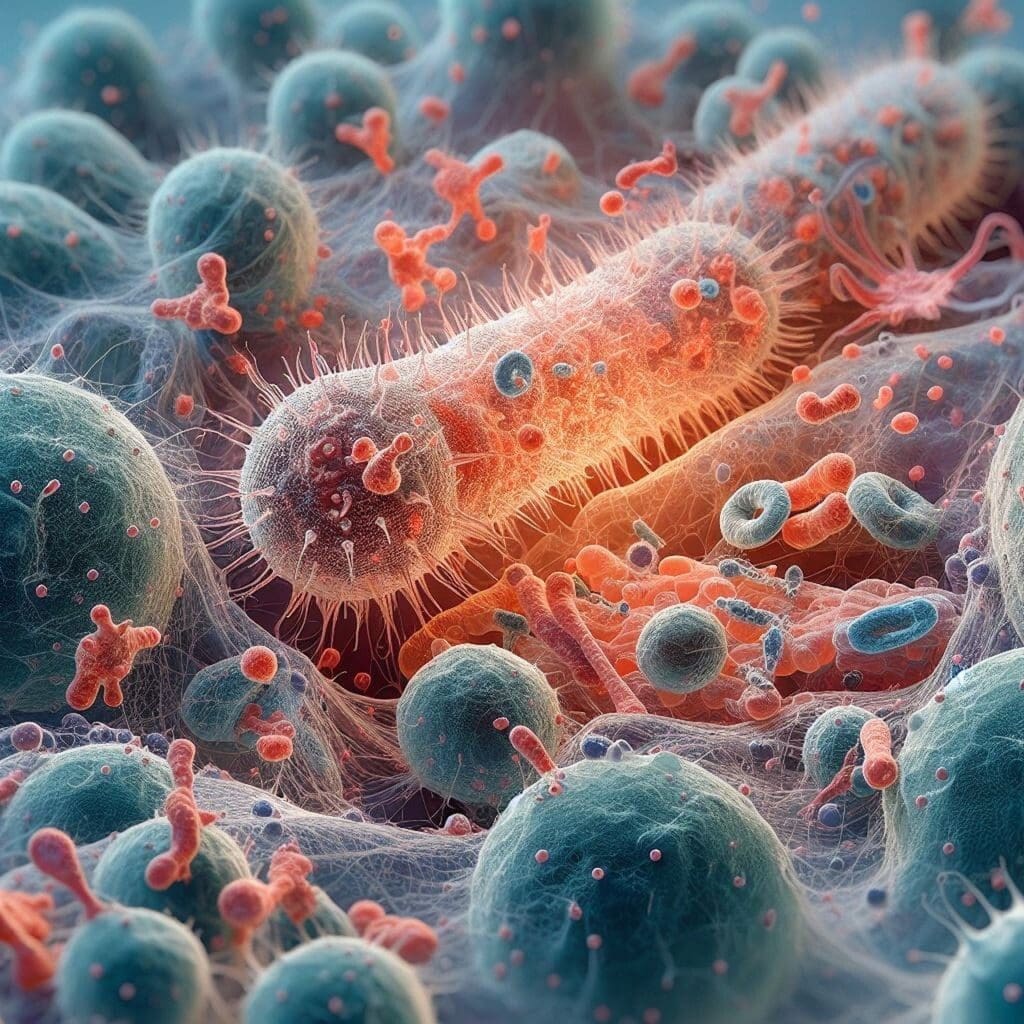
The study shows that radiation in keratinocytes – the main cells of the epidermis – strongly stimulates the production of DKK3. This protein activates signaling pathways that lead to increased formation of reactive oxygen species, promote cell growth and stimulate connective tissue cells (fibroblasts), which are responsible for scarring and fibrosis. At the same time, DKK3 alters the immune response: it directs macrophages into a fibrosis-promoting state, which increases inflammation and tissue remodeling.
The decisive result: In mouse models, the genetic blockade of DKK3 in skin cells significantly reduced radiation-induced fibrosis – without changing the sensitivity of the cells to radiation. The findings were corroborated using human skin biopsies, 3D skin models and animal models.
According to the researchers, the results form a solid basis for further preclinical and clinical investigations. The aim is to develop drugs or strategies that inhibit DKK3-mediated signals in order to better protect skin and other healthy tissues during cancer treatment.
The study was published in the journal Signal Transduction and Targeted Therapy.
Original Paper:
Editor: X-Press Journalistenbüro GbR
Gender Notice. The personal designations used in this text always refer equally to female, male and diverse persons. Double/triple naming and gendered designations are used for better readability. ected.
Most read
 Hantavirus: detection, symptoms, therapy What is hantavirus? Hantaviruses are a group of viruses that occur worldwide and are mainly transmit...
- Impending fuel shortage: “If the laboratory fails, medical care will come to a standstill in large parts” DGKL CEO Jan Wolter explains the dramatic consequences of a potential fuel shortage for laboratory m...
- Hantavirus: Facts instead of panic Reports of three deaths in connection with a hantavirus outbreak on the cruise ship "MV Hondius" in...